Day Three Is When the Mask Comes Off — Yours and the City's
Day one of any trip is basically a controlled hallucination. Everything is vivid, slightly unreal, filtered through the high-contrast lens of arrival. The smells hit differently. The signage looks exotic. Even the grocery store feels like an anthropological discovery. You're not really there yet — you're performing the act of arriving, which is its own distinct experience with its own distinct buzz.
Day two is the hangover. Not literally, though sometimes also literally. The novelty starts to compress. You're tired in a way that sleep doesn't fully fix. The city is starting to look more like a city and less like a film set built specifically for your arrival.
And then something happens on day three.
The Novelty Cliff and What's Waiting at the Bottom
Travel psychologists — yes, that's a real specialty, and it's a fascinating one — have documented what's sometimes called the novelty cliff: the steep drop-off in stimulation that happens once a new environment stops being new. For most travelers, this lands somewhere between 48 and 72 hours in. The brain stops flagging everything as remarkable and starts processing the environment more like it processes home.
Here's what most people get wrong about this: they interpret it as the trip getting worse. The magic wearing off. Time to start thinking about the flight home.
But that drop isn't the end of something. It's the beginning of something much more interesting.
Once the novelty cliff passes, you stop being a tourist in the performative sense. You stop photographing everything reflexively. You stop consulting the map every thirty seconds. You start living in the place, even briefly, rather than visiting it — and that distinction is enormous.
What the City Looks Like When It's Not Performing for You
Destinations have their own version of this shift. Every city, every town, every neighborhood puts on a version of itself for newcomers. The main drag is dressed up. The tourist infrastructure is running at full capacity. Everything is positioned to be seen from the outside.
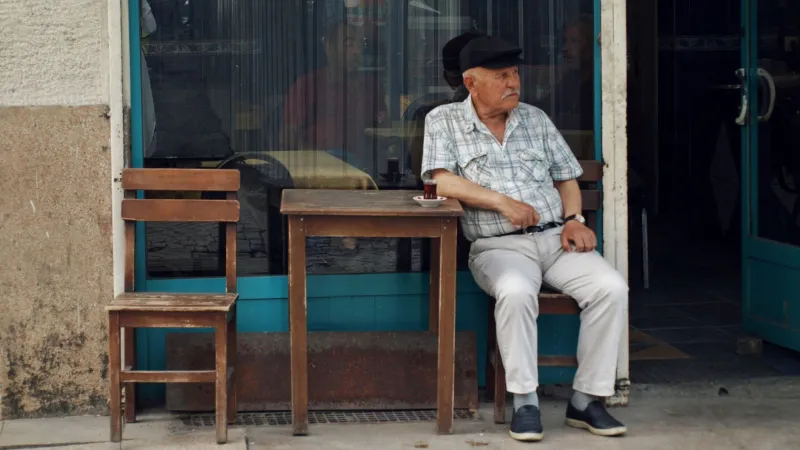
By day three, you've drifted. Maybe literally — you've wandered a few blocks off the recommended route because you were following a smell or a sound or just a hunch. And suddenly the city is doing something different. It's having a Tuesday. A real one.
You find the café where locals actually eat breakfast, not the Instagram-famous one in the guidebook. You notice the rhythm of the neighborhood — when it gets loud, when it goes quiet, what the foot traffic looks like at 3pm versus 7pm. You start to read the place rather than just look at it.
This is the version of a destination that most travelers never see. Not because it's hidden — it's completely visible — but because they didn't stay long enough for their own eyes to adjust.
The Personal Unmasking Nobody Warns You About
Here's the part that's a little harder to talk about: day three isn't just when the city's mask comes off. It's when yours does too.
The first couple of days of travel, you're running on adrenaline and novelty and the version of yourself you perform when you're on an adventure. You're decisive, enthusiastic, open. You're the protagonist of your own travel montage.
By day three, you're just a person in a place. And that person has moods, preferences, irritations, and a complicated relationship with being outside their comfort zone. You might get unreasonably annoyed at something small. You might feel unexpectedly lonely in a crowd. You might realize you've been avoiding a certain type of interaction because it makes you anxious, even when you're traveling specifically to push past that.
This is not the trip going wrong. This is the trip going real.
Some of the most honest self-knowledge available to us comes from that third-day moment when the performance drops and we're left with just ourselves, slightly disoriented, in an unfamiliar place. Who are you when the novelty wears off? What do you actually want when you're not chasing the highlight? What does your unscripted self look like when there's no one who knows you around to confirm who you're supposed to be?
These aren't comfortable questions. They're also not ones you can easily answer at home, where everything is familiar enough to keep you on autopilot.
Why American Travel Culture Works Against This
Let's be direct about something: the way most Americans travel is structurally designed to prevent the day three effect from ever kicking in.
The average American takes trips of four to five days when they travel internationally — and that's when they go at all. Factor in travel days on both ends and you're looking at two or three actual days on the ground before the mental packing-up begins. Add the typical itinerary density (three cities, eight must-see attractions, two day trips), and you've ensured that the novelty never actually drops. You're constantly resetting the clock with new arrivals, new hotels, new orientations.
This isn't a moral failing — it's a structural one. Limited vacation time, expensive flights, the cultural pressure to maximize every trip because who knows when you'll get back — all of it pushes toward the highlight reel model of travel. See the thing, take the photo, move to the next thing.
But the highlight reel model has a cost. It keeps you permanently in tourist mode, permanently in the novelty zone, permanently on the surface of every place you visit.
How to Actually Get There
You don't have to take month-long sabbaticals to access the day three effect. You just have to make some deliberate choices.
Stay in one place longer than feels necessary. If you're going to Europe for ten days, consider spending seven of them in one city rather than hitting five. The depth you gain in that one place will be more lasting than the breadth of five quick impressions.
Resist the itinerary on day three specifically. Leave it deliberately unscheduled and see what happens when you're not optimizing. Where do you end up? What do you notice? What do you want when you're not performing wanting?
Don't flee the discomfort. The mild restlessness of day three is not a signal that something is wrong. It's a signal that something is about to get interesting. Sit with it for a few hours before reaching for your phone or your plans.
The Part That Stays With You
The trips people talk about for years — the ones that actually changed something — almost always have a day three moment buried in them somewhere. A morning where they weren't sure what to do and ended up somewhere unexpected. An afternoon where the city stopped being scenery and started being context. A quiet realization about themselves that they couldn't have had anywhere else.
Chapter two of any story is where the real narrative begins. The setup is done, the characters are in place, and now something is actually going to happen. Day three of a trip works the same way.
Stick around long enough to find out what that something is.