Everything You Left on the Shelf: The Untold Story of What You Chose Not to Take Home
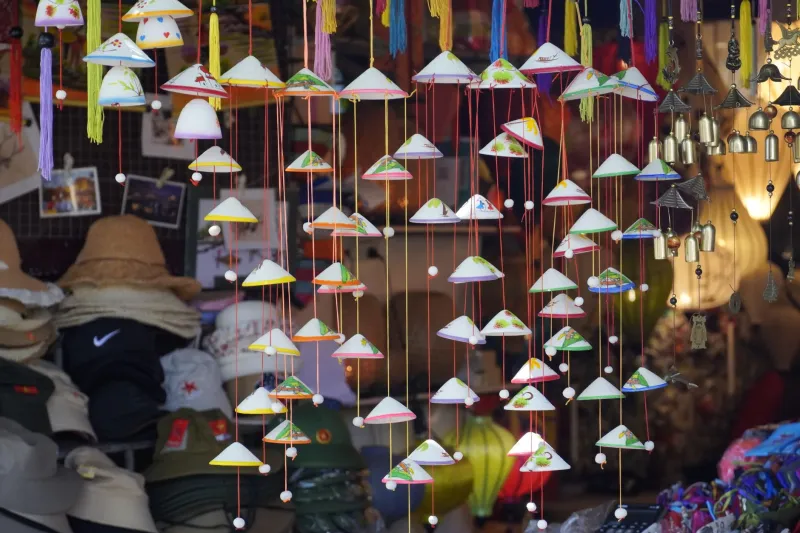
Somewhere in a narrow market alley in Oaxaca, there's a painted clay figurine I held for a solid three minutes. I turned it over, checked the bottom for a price, looked at it one more time — and put it back. I told myself it was too fragile to survive the flight home. I told myself I had no shelf space. I told myself a lot of things.
I still think about that figurine.
Most of us who travel regularly have a ghost inventory like this — a running catalog of the things we almost brought home but didn't. The silk scarf in Chiang Mai. The hand-thrown mug from a Asheville pottery studio. The vintage map rolled up in a Barcelona antique shop that would've cost us twenty euros and approximately zero regrets. We walked away from all of them. And then, months later, we walked back to them in our heads.
So what's actually happening when we decide something isn't worth the luggage space? And why does the math feel so much more complicated than it should?
The Invisible Criteria Nobody Talks About
There's a mental checklist most travelers run through without even realizing it. It's not written down anywhere. There's no Yelp review that tells you whether a souvenir is worthy of your carry-on. But the checklist exists, and it's surprisingly specific.
First question: Is this too obvious? The miniature Eiffel Tower, the I ♥ NY magnet, the shot glass with a city skyline — these get dismissed almost reflexively. Not because they're bad objects, but because buying them feels like admitting you were a tourist rather than a traveler. That distinction, by the way, is mostly fiction we tell ourselves, but it carries a lot of weight in the souvenir aisle.
Second question: Will this mean something to anyone else? We want our keepsakes to be conversation starters. We want someone to pick up the thing on our bookshelf and ask about it. If we can't imagine that conversation happening, the item loses its appeal fast.
Third question — and this one's sneaky: Is this the real version of this place? We're chasing authenticity, even when we can't define it. A mass-produced snow globe feels inauthentic. A hand-embroidered table runner from a local cooperative feels like it has a story. The line between the two is blurry and entirely subjective, but we draw it anyway, confidently, every single time.
What Your Rejections Are Actually Telling You
Here's the thing nobody says out loud: the items you put back are just as revealing as the ones you brought home.
If you consistently walk away from anything that looks handmade or regional — anything that requires explanation — you might be looking for experiences that are easy to share, things that translate cleanly to an Instagram caption or a dinner party story. That's not a criticism. It's just information.
If you put back anything that's too practical — the kitchen tool, the locally-made soap, the small textile — you might be treating your travels as aspirational rather than livable. Like the trip is a performance you're curating rather than a life you're actually absorbing.
And if you put things back because they feel too ordinary? Too unglamorous? That one's worth sitting with. Because sometimes the most honest souvenirs are the boring ones. The grocery receipt from a Tokyo convenience store. The bus ticket from Porto. The plain cotton tote bag from a bookstore in Edinburgh. These are the things that say: I was here, and it was real, and I wasn't performing anything.
The Tyranny of the Worthy Purchase
American travelers in particular — and I say this as one — tend to apply a pretty rigid value-for-money framework to souvenir shopping. We want the item to justify itself. To earn its place in the suitcase. To be worth the $40 or the $12 or whatever the number is.
But "worth it" is doing a lot of heavy lifting in that sentence. Worth it compared to what? The experience of buying it? The memory it holds? The way it looks on a shelf ten years from now when you're having a terrible Tuesday and you glance over and remember the afternoon you spent wandering a market in a city that felt completely alive?
We've built up this idea that a souvenir has to be significant to deserve to exist. And that pressure — that need for the object to carry weight — is exactly what makes us put so many things back down.
The clay figurine in Oaxaca was $8. I spent more than that on a mediocre airport margarita on the way home.
The Things That Actually Make It Back
Look at what you have brought home over the years. Not what you planned to bring home — what actually made the cut.
For most people, the pattern is interesting. It's rarely the thing you deliberated over longest. It's often the thing you grabbed quickly, impulsively, without overthinking it. The small painting you bought from a street artist because she caught your eye and you started talking. The weird little ceramic bird you found in a thrift store in a city you only stopped in for one night. The book in a language you don't speak, bought because the cover was beautiful and you figured that was reason enough.
Those things made it home because you stopped running the checklist. You just wanted them.
Giving Yourself Permission to Buy the Obvious Thing
This isn't a case for buying every snow globe in every airport gift shop. But it might be a case for loosening the criteria a little.
If you want the magnet, buy the magnet. If the mass-produced ceramic bowl is the thing that actually makes you think of the trip every morning when you drink your coffee, then it's done its job better than anything more expensive or more artisanal ever could.
The best souvenir is the one that keeps taking you back — not the one that looks best on a shelf or sounds best in a story. And sometimes the thing that does that is the thing you almost left behind because it felt too simple, too cheap, too ordinary to deserve the journey home.
Somewhere in Oaxaca, there's a painted clay figurine that's probably sold by now. I hope whoever bought it thinks of it the way I still think of it — which is to say, more often than makes any rational sense.
That's the whole point, really. The things that stay with you aren't always the things you took.